
With or without our conscious awareness, much of the things we interact with on a daily basis are vying for our attention. The stream of alerts from our cell phones and the constant bombardment from advertisements have correlated with a rise of anxiety, ADHS, and depression that is being observed in youth populations at an unprecedented rate. One surprising way to combat this is by practicing mindfulness meditation. Mindfulness is a practice that emphasizes being aware in the present moment, usually by focusing one’s attention on the sensations of breathing. As described in over 3000 peer-reviewed papers, mindfulness meditation has the potential to reduce anxiety, depression, and stress levels, while at the same time improving one’s overall quality of life. Surprisingly, all these benefits come from just stopping what you are doing and simply being aware of your experiences. In western society, meditation has a certain mystique because most people are unfamiliar with the practice. In comes Andy Puddicombe: entrepreneur, monk, and mindfulness extraordinaire. Drawing from his experience as a Tibetan Buddhist, Andy Puddicombe created Headspace – an app that lets users follow a series of guided, mindfulness meditations. All you need is the app, a chair, and ten minutes of your day.
Born in England, Puddicombe’s journey to Buddhism seems like an unlikely one, that is until a traumatic event left him with severe anxiety and depression. While out with his friends in college, a drunk driver struck the group of students, killing some of Puddicombe’s closest friends. The survivors of this accident all had different ways of coping with grief: some took to alcohol, others tried therapy. Puddicombe, on the other hand, decided to travel the world. He noticed while abroad that he was unable to escape the feelings of loss from that tragic day. After returning back home and briefly going back to school, Puddicombe quit and decided to become a Buddhist monk. He joined a monastery in the Himalayas where he was ordained in the Tibetan tradition. The regimented lifestyle, which included many hours of meditation per day, became a way of life for him. It was at the monastery where he realized the power of meditation. He noticed that much of the anxiety and depression he had in the past had all but disappeared. After a few years of completing his work as a monk, Puddicombe returned to England where he eventually created Headspace.

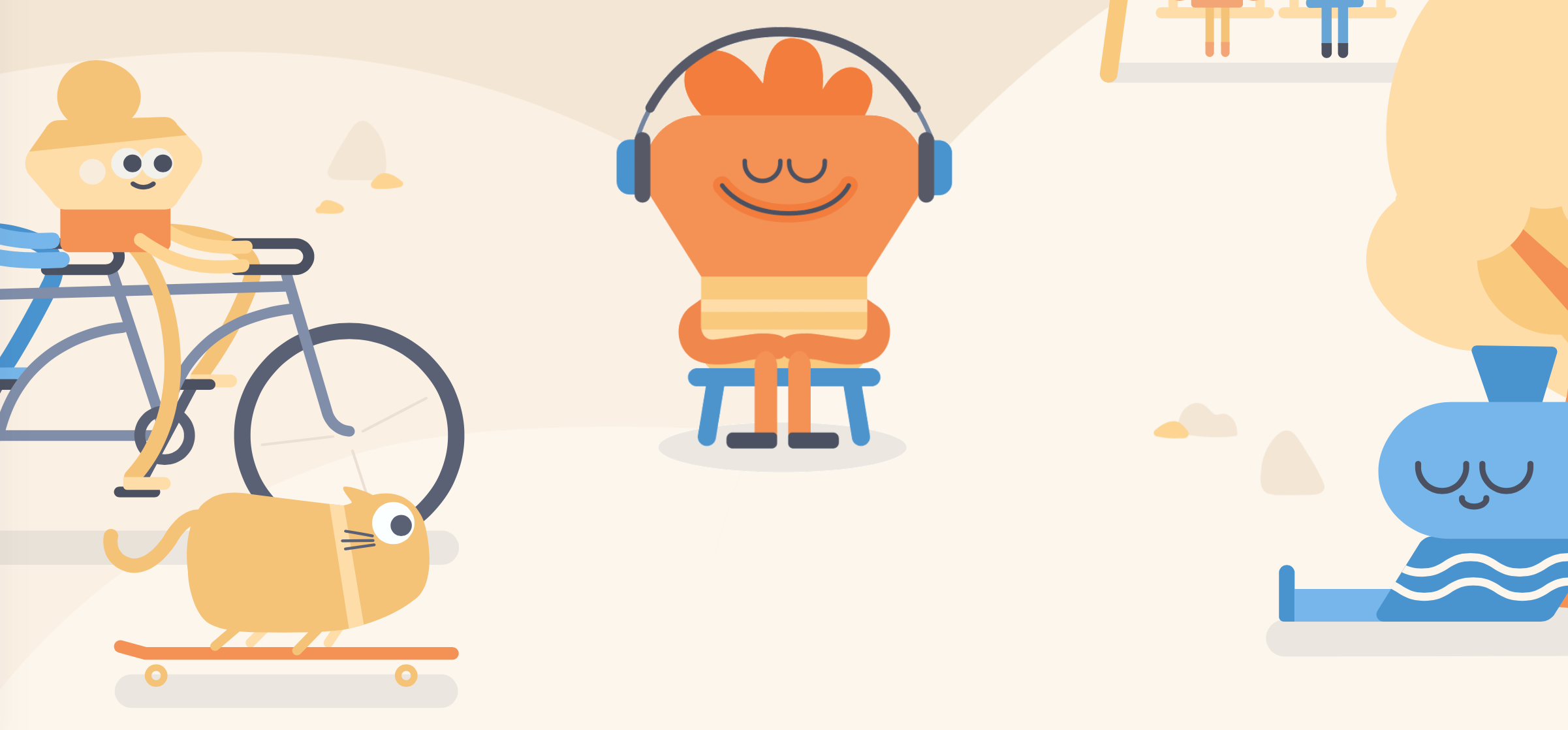
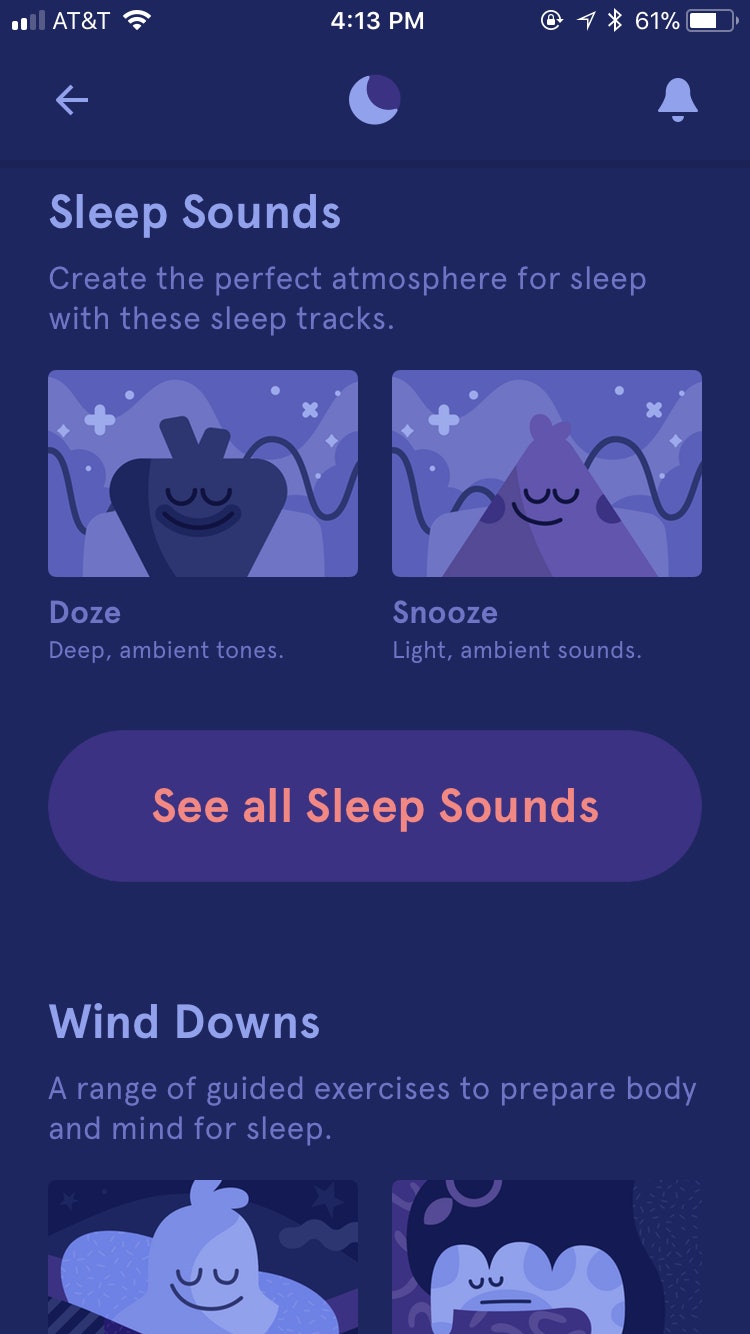
Headspace was one of the very first subscription-based meditation apps that let users follow guided mindfulness techniques. Garnering a huge following in recent years, Headspace has acquired over 33 million paid subscribers, most of whom use the app intermittently. Users select mediation “packs” that revolve around different topics such as anxiety, self-esteem, or sleep. Like all skills, meditation requires practice and Headspace encourages this by letting user learn at their own pace. Each mediation on the app builds upon the last by constantly incorporating new concepts and ideas. In an interview, Puddicombe argues that “people are so distracted that they are no longer present in the world which they live.” Meditating with Headspace offers an escape from the distraction of the modern world because it forces users to become consciously aware of the experiences and sensations around them. It is upon analyzing the design of the app that Puddicombe’s creativity begins to take form. The app uses a muted color scheme in order to create a calming effect on the user. Additionally, the app incorporates original cartoons that depict characters meditating in everyday life. All of these seemingly trivial details have a purpose: they promote a reflective environment that encourages meditation. Puddicombe continues to play an active role with the app since his voice appears in most of the guided meditations.
As described by Teresa Amabile in “Beyond Talent,” individuals are “most creative when they are motivated primarily by the interest, enjoyment, satisfaction, and challenge of the work itself.” In a recent interview, Puddicombe describes his intention of creating Headspace as a platform to help people. Much of Puddicombe’s work can be credited with his intrinsic motivation to create a product that people derive value from. Puddicombe wanted to demystify meditation and make it accessible to everyday people because of its benefits. He realized the positive effect mediation has had on his mental health and he wanted to share it with the world in a unique and creative way. Further, research suggests that meditation may help cognition and creative because it puts the brain in a state of flow, a concept first described by Mihaly Csikszentmihalyi. Perhaps being in this state of flow is what allowed Puddicombe to create Headspace because it allowed his mind to subconsciously integrate his experiences.
With its growing popularity and unique features, Headspace is poised to help people with their mental health for years to come.
Sources


